1918 and the end of the First World War

Hello to you all!
As mentioned in my overview newsletter, this month our First World War content will focus on the events of 1918 leading up to the signing of the Armistice.
Whilst ordinarily these newsletters are kept for paying subscribers, in the interests of accessible public history, I'll be sharing this as a free open newsletter before returning to normal service in due course!
There's a lot to cover across 1918 and I'll attempt to create a cohesive story for us all here although obviously though it's not going to be possible to deal with every aspect of the year. However, this is something I retain a significant research interest in and am looking to explore in other (more in-depth ways) in the future!
The State of the War
The nature and balance of the war had changed quite dramatically over 1917. In Europe the collapse of the Russian Empire into revolution and civil war had (at long last) relieved Germany of the pressures of fighting on two fronts. This was a major strategic success for Germany and a symbol of serious concern for Britain and France who (on the Western Front at least) were about to find themselves potentially outnumbered.
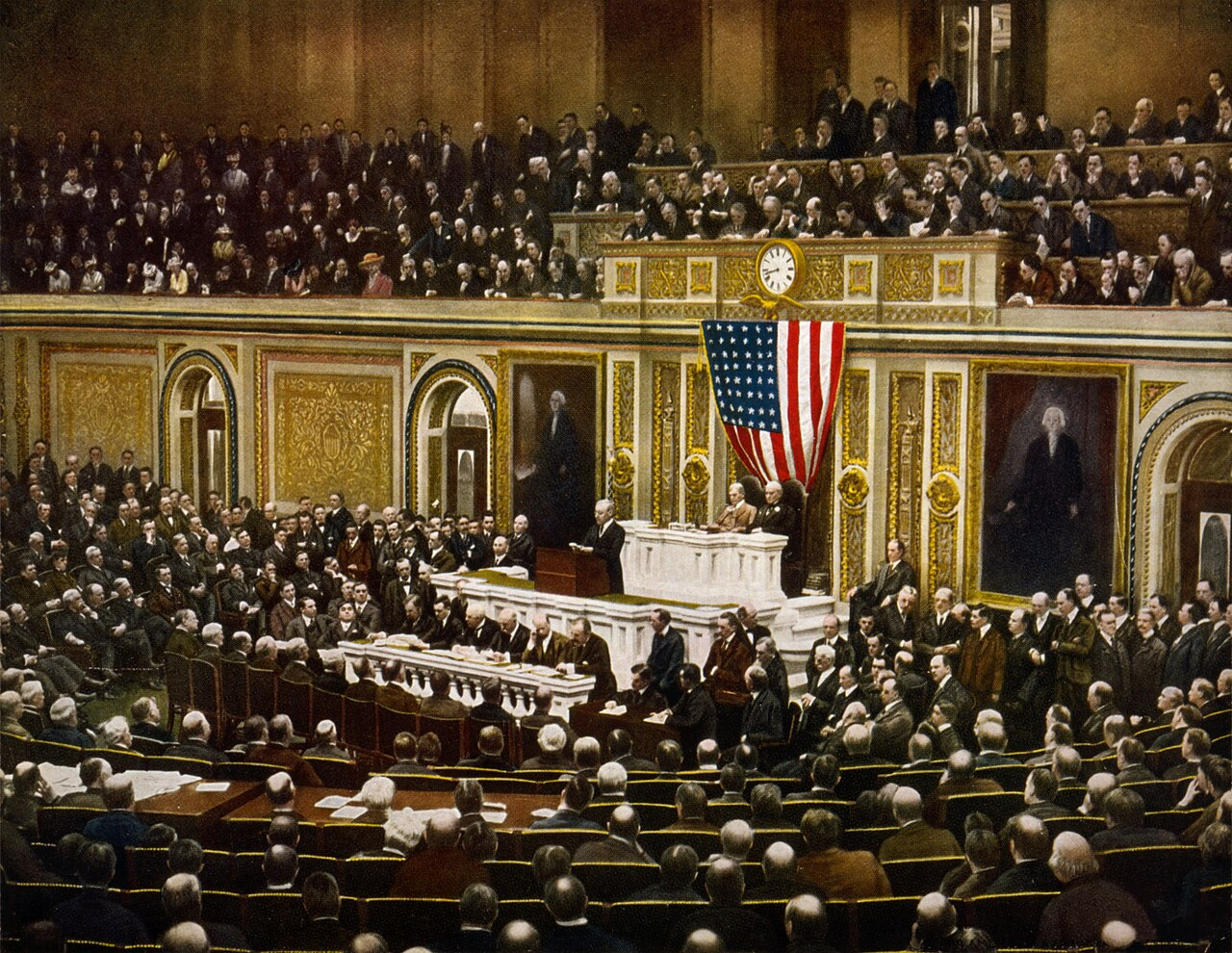
The collapse of Russia was, however, offset by the potential benefits of the United States of America joining the war. From a supply point of view, having American industry fully committed to the war effort was an enormous boon for Britain and France. Similarly, whilst there were doubts among the allies as to the actual ability of the individual American soldier, the fact that there would be a lot of them was definitely desirable.
The events that led to America breaking its 'neutrality' and joining Britain and France are probably deserving of a newsletter of their own but suffice to say this was a disaster for Germany and one largely of their own making. The fear of what an influx of American soldiers to the Western Front might mean forced them into decisions and situations that were desperate at best.
For Britain and France 1917 had been a fairly disastrous year. The botched French attacks at the Chemin des Dames that year under the less than stellar leadership of General Robert Nivelle had led many French soldiers to mutiny in the face of a government and military that seemed to treat their lives as disposable and trampled all over their rights as citizens of the Republic.
Whilst (as I have done above) the term for this crisis in the French army is more commonly referred to as a 'mutiny' a better way to consider it as a worker's strike. The French soldiers did not want to lose the war to the Germans but they were equally unwilling to risk or sacrifice their own lives in offensives they deemed unneccessary and ill-prepared and neither were they willing to accept their current working conditions.
The French would spend much of the latter half of 1917 under the command of General Philippe Pétain who was attempting to 'remobilise' the soldiers and the country into fighting the Germans.
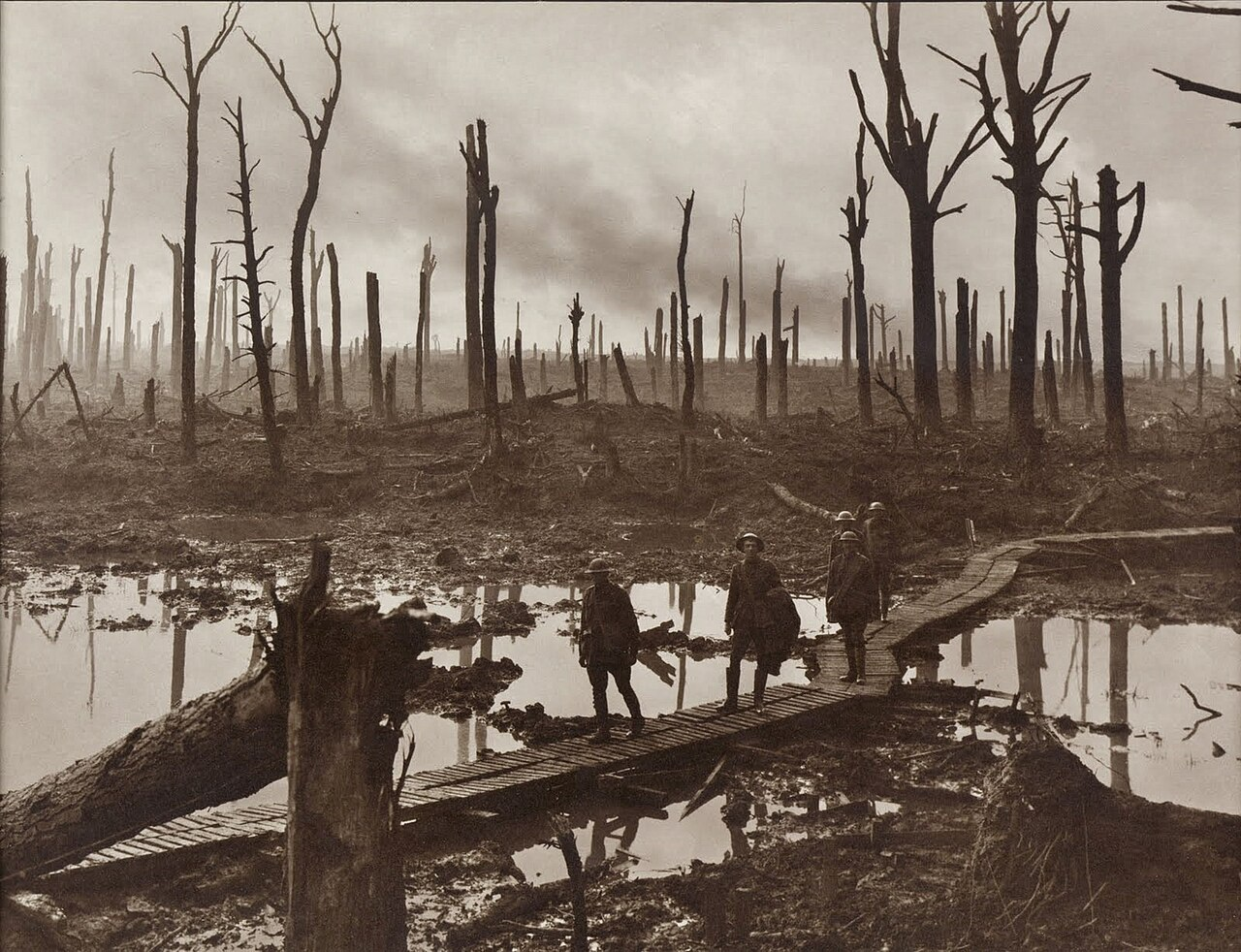
For the British the Third Battle of Ypres - also known as Passchendaele - had proved to be another failed attempt by Field Marshal Douglas Haig to force a resolution in Flanders. His hope was to capture the U-boat pens along the coast which were threatening the British Isles with starvation by sinking shipping in the Atlantic. The conditions the British fought in at Passchendaele were nightmarish and had a lasting impact on morale. It has also had an ongoing impact on our own memory of the war with its rain and mud becoming dominant images within British popular memory.
Elsewhere 1917 had been a mixed bag for the allies. The Italians had done well against the Austro-Hungarians early in the year. However, Austria-Hungary and Germany had attacked in strength at Caporetto in October and driven the Italians back many miles. Both Britain and France were forced to send soldiers to help try and stem the attacks.
In Palestine the British had tried repeatedly to capture Gaza from the Ottomans and, after several failures, finally took the town in November of 1917 and then pushed on to Jerusalem in December. Meanwhile British, French, and Greek forces continued to hold lines in Macedonia near Salonika opposed by the Bulgarians who blocked the route through the Balkans and maintained the supply lines to the Ottoman Empire.
Now or Never
The German military under the command of Erich Ludendorff (though ostensibly Paul von Hindenberg) recognised the danger of having American reinforcements bolster the Western Front. They had gone to great lengths to try and keep the United States out of the war and, when recognising that this policy would eventually fail, had tried to starve Britain into submission through u-boat warfare before the policy provoked a response from across the Atlantic.
They had failed.
Therefore Germany resolved to try and win the war before the United States' contribution could tip the scales towards the Entente alliance. At the very least they held a manpower advantage. By the 21st March 1918, German division on the Eastern Front - a front that had now been won - fell from 85 to 47 as units were shifted westward. Germany soon outnumbered Britain and France on the Western Front by 191 divisions compared with 178. In total Germany now had 136,618 officers and 3,438,288 men ready to fight.
Their plan was a series of attacks commencing in March of 1918 that, on the surface, were designed to overrun the opposing lines and split the armies of Britain and France apart. When divided they could either push the British back into the sea or roll the French out of the way and capture Paris.
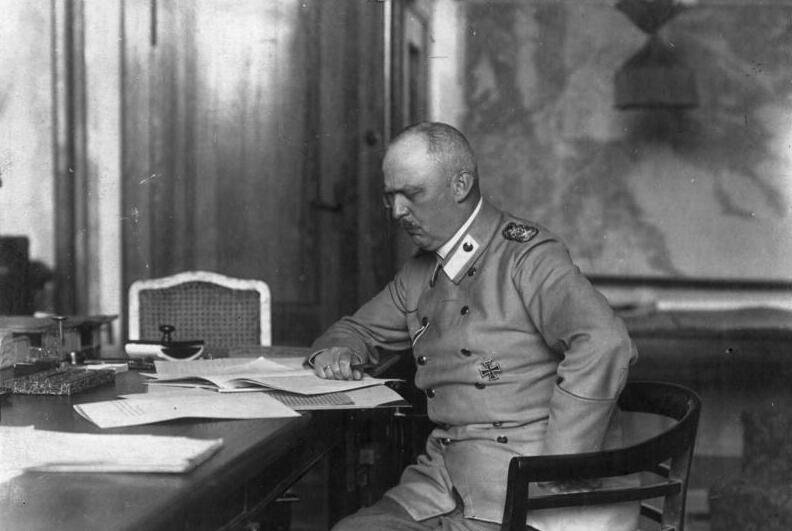
This at least was the plan, but even before it began it suffered from several serious shortcomings: many of which were embodied within the dictatorial but also deeply exhausted primary German commander. Ludendorff was a control freak who wanted to have at least some oversight of every aspect of his armies which led him to both meddle and also hamper the ability of his subordinates to carry out their jobs.
He also had no overarching strategy of what sort of victory he was hoping to create. He had a tendency to hold reserves back and then 'wait and see' where the enemy line might be buckling so he could send reinforcements there to exploit the situation. But exploit it to what end? If the holes in the British lines opened up in front of empty countryside what was there to exploit? If the Germans had made a determined push towards the railway hub at Amiens - which was absolutely crucial to the British and French war effort - that would have been a target worth exploiting.
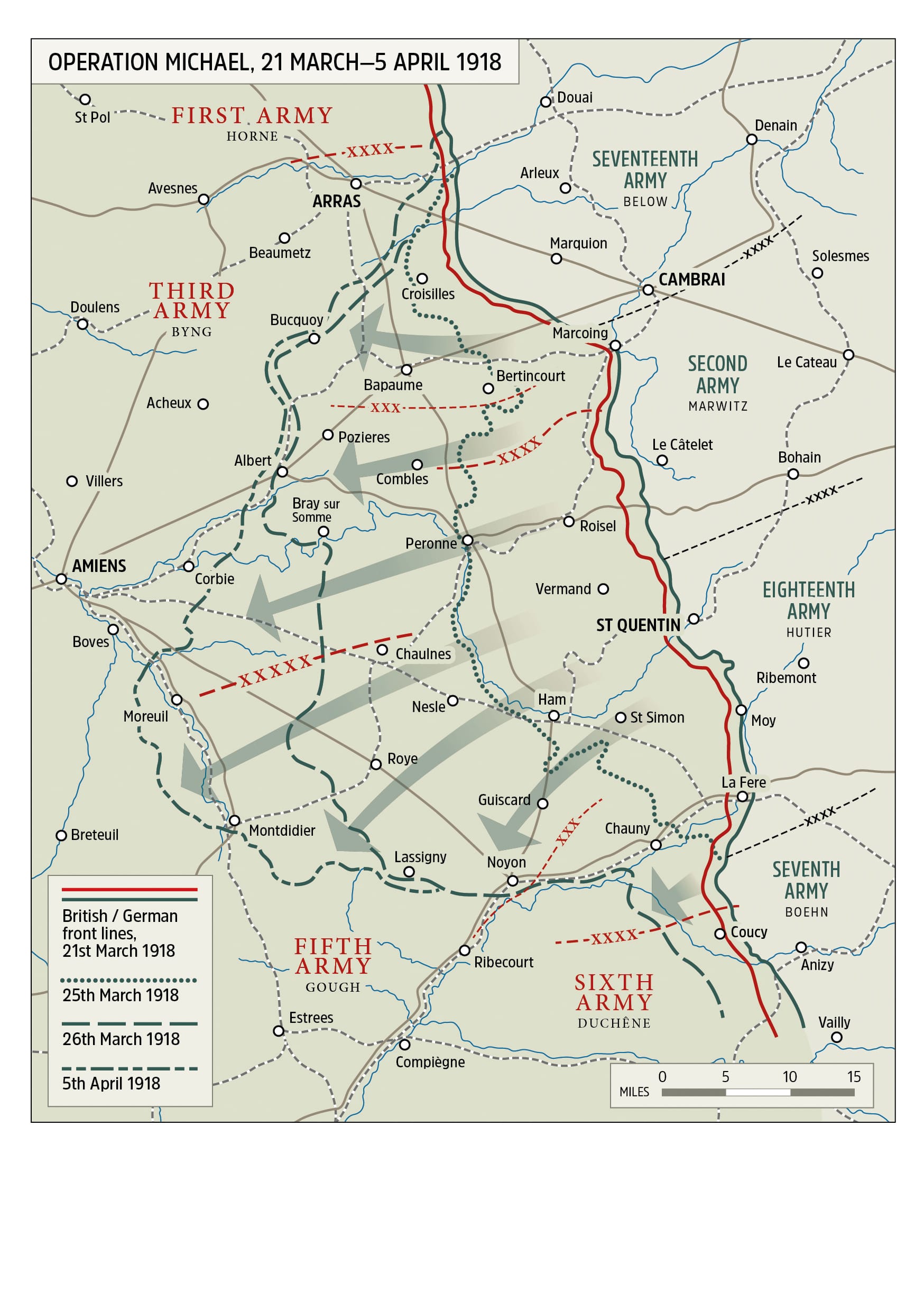
Nonetheless the German Spring Offensives began on 21st March 1918 with Operation Michael. It was launched over much of the ground that the Battle of the Somme had been fought on in 1916. The bombardment began at 4:40am and lasted for five hours in which three million artillery shells were fired at the British lines.
German stormtroopers who had been trained to quickly breach enemy positions and then continue forwards into reserve lines attacked out of heavy fog and British sources suggest the whole experience was terrifying. As a result the British soldiers gave way and 225 square kilometers were overrun on the first day. A disaster was unfolding along the Western Front.
Subsequent German operations continued to push the British and French back but, as mentioned above, Ludendorff was not making the most of his forces and would often fritter away his reserves trying to exploing gaps or situations that did not dramatically improve the strategic picture.
Nonetheless the shock of the German offensives pushed the Entente nations into making a decision which they should really have attempted years earlier. Throughout the war the various allied armies had existed in cooperation with each other but also with their own autonomy. The French could not order the British to undertake action or vice versa. Nobody had overall command. This was not a tenable situation where the Germans were trying to win the war all in one go.
As a result Marshal Ferdinand Foch was elevated to the position of Generalissimo of the Entente armies and tasked with stemming the German offensives. Whilst the realisation that the war was going to be won in 1918 had not yet dawned on everyone, Foch and other allied generals could recognise that the Germans were advancing beyond their own supply lines and sustaining significant casualties as they went. Both of these were situations that could be punished.
Germany had virtually punched itself out without coming close to landing a knockout blow. Worse, the manpower situation on the Western Front was swinging away from them. On 30th March 1918 there were only 284,000 American soldiers in France. By July it was 1,027,000. At times during 1918, 10,000 US soldiers were arriving on boats every day. By November 2nd there were 1.8 million of them. The Germans could not compete.
Black Days
The Austro-Hungarian Empire had struggled through much of the First World War. Whilst they had provided military support against both Russian and Italy they were not capable of meeting the demands of Total War. They were not alone in this: both Russia and the Ottoman Empire had faced similar difficulties.
Austria-Hungary's shortcomings had eventually led the Germans to take almost direct control of their military particularly on the Eastern Front. In June 1918 they launched an attack on the Piave River against the Italians which forced their opponents back. However, the nature of the two-pronged offensive meant that neither wing of the Austro-Hungarian forces could easily communicate with the other and it - like many such attacks - petered out. The issue with this attack in particular though was (like with the Germans on the Western Front) the Austro-Hungarians may have sacrificed the last of their fighting forces and energy in an assault which did not bring them closer to victory. Later in the year the Italians would punish this.
With the German offensives also running out of steam whilst having threatened but not taken Amiens, Foch prepared his counterpunch. The latter part of 1918 saw the beginnings of combined arms warfare - the type of which would define the Second World War.
Coordinated use of infantry, artillery, tanks, and airpower gave the Entente nations a huge advantage over the Germans whose industry was on the point of collapse. The differences in their outputs were stark. By Spring of 1918, Germany possessed 3,670 planes, 30,000 motorised vehicles (with mainly steel or wooden tyres that destroyed the road surface), and they only produced 20 tanks across 1918.
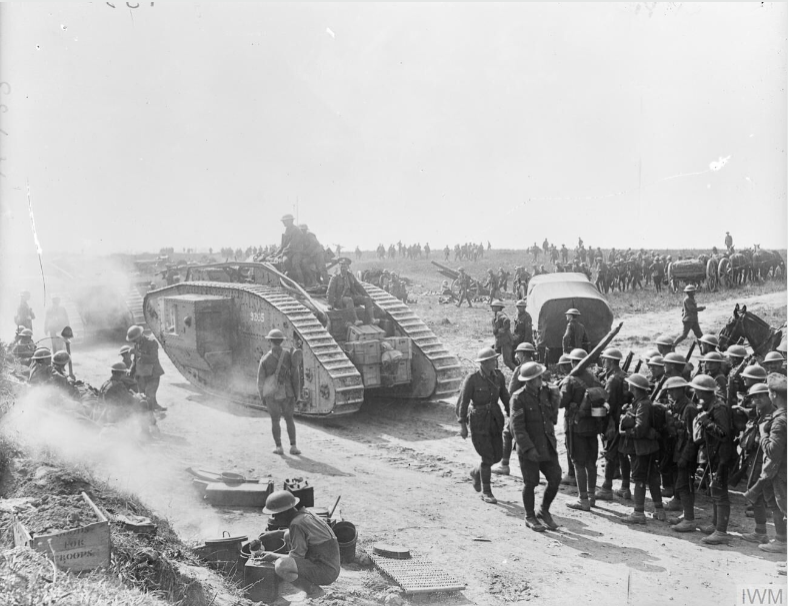
By contrast, the allies could field 4,500 planes, had 100,000 motorised vehicles (with mainly rubber tyres), and possessed 800 tanks in 1918. Industrial capacity wins wars and the Entente could draw upon the formidable output of the United States of America.
This meant that Foch now possessed the weapons he required to strike back. At 4:20am on the 8th August, the Entente attacked the German positions near Amiens with all of the weapons at their disposal. By mid-afternoon they had advanced 8 miles which is extraordinary. The following day a further 4 miles were captured. Foch then showcased the foresight that would eventually bring him victory and shut the battle down.
With German reinforcements flooding to the area the opportunity for further progress was limited and, with multiple armies under his command, he could now begin launching multiple attacks up and down the Western Front.
For the Germans Amiens was a disaster. Whilst the allies only suffered around 22,000 casualties the Germans had 75,000 - but 50,000 of them had been taken prisoner.
Within the German army - including their soldiers - the realisation had dawned that they were going to lose the war. Ludendorff would later describe the 8th August as the Black Day of the German Army.
For their part the allies began to recognise that the opportunity to actually win the war this year, rather than in 1919 as many had expected, was before them. In order to achieve it they would be required to effectively go 'all in' on their attacks and operations against the German military. If they held back and allowed the Germans to regroup and rebuild their defensive positions the war could stretch on for years.
Foch, his commanders, and their soldiers collectively resolved to try and grab the opportunity that was before them. The Hundred Days Offensive that resulted on the Western Front is one of the most dramatic and conclusive military operations in modern history - but it came at a fearful cost, with over 1 million allied soldiers becoming casualties in the war's final months.
They risked and gave their lives along the Meuse-Argonne, the Marne, and in Belgium undertaking attacks that bordered upon the reckless because the greatest prize of all dangled in front of them. If the German army could be broken here and now then victory was surely theirs.
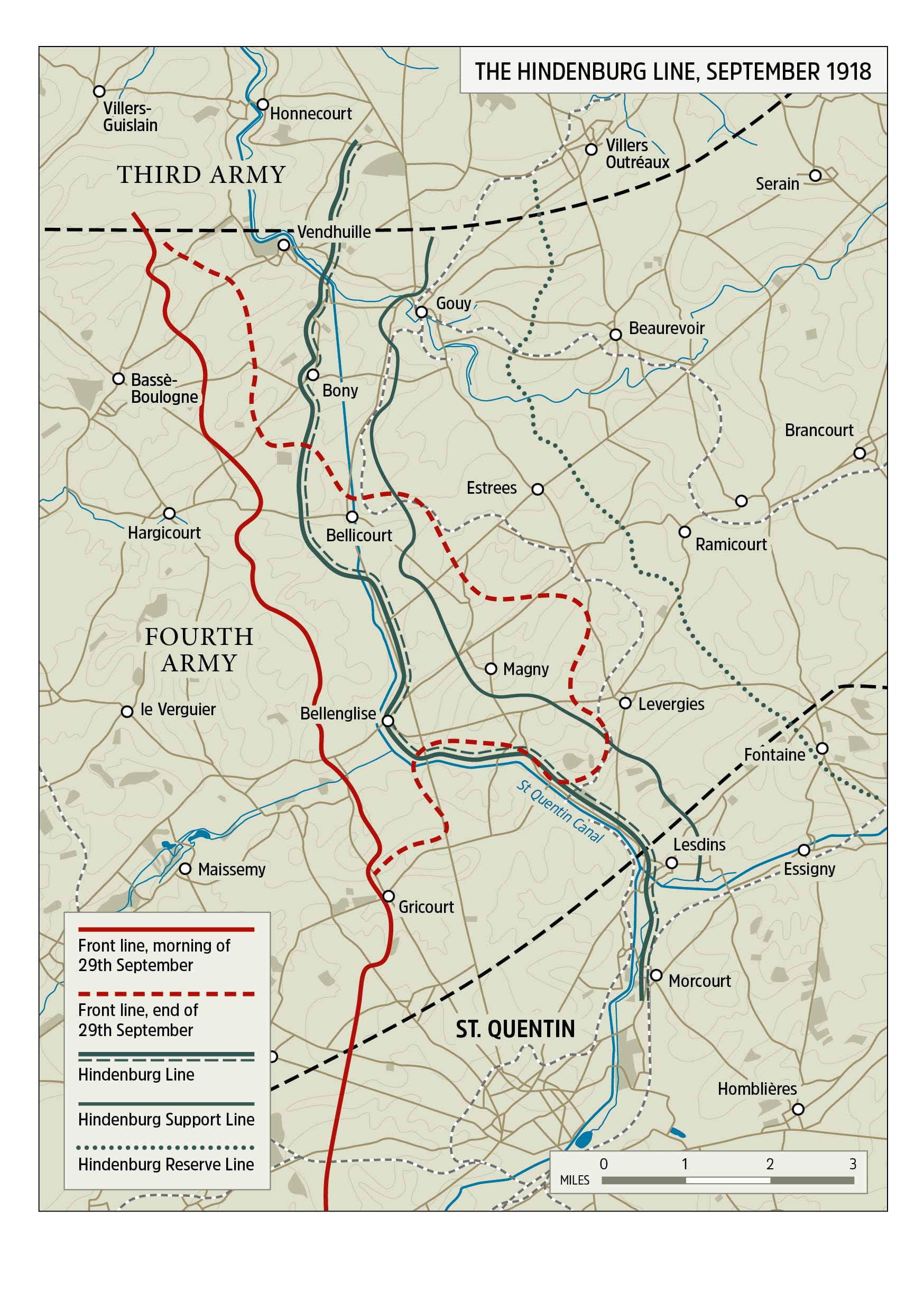
The culmination of this military effort was the storming of the mighty Hindenberg Line - the last great German defensive position on the Western Front - in late September 1918. Attacked by British, Australian, and American forces the line was broken in mere days.
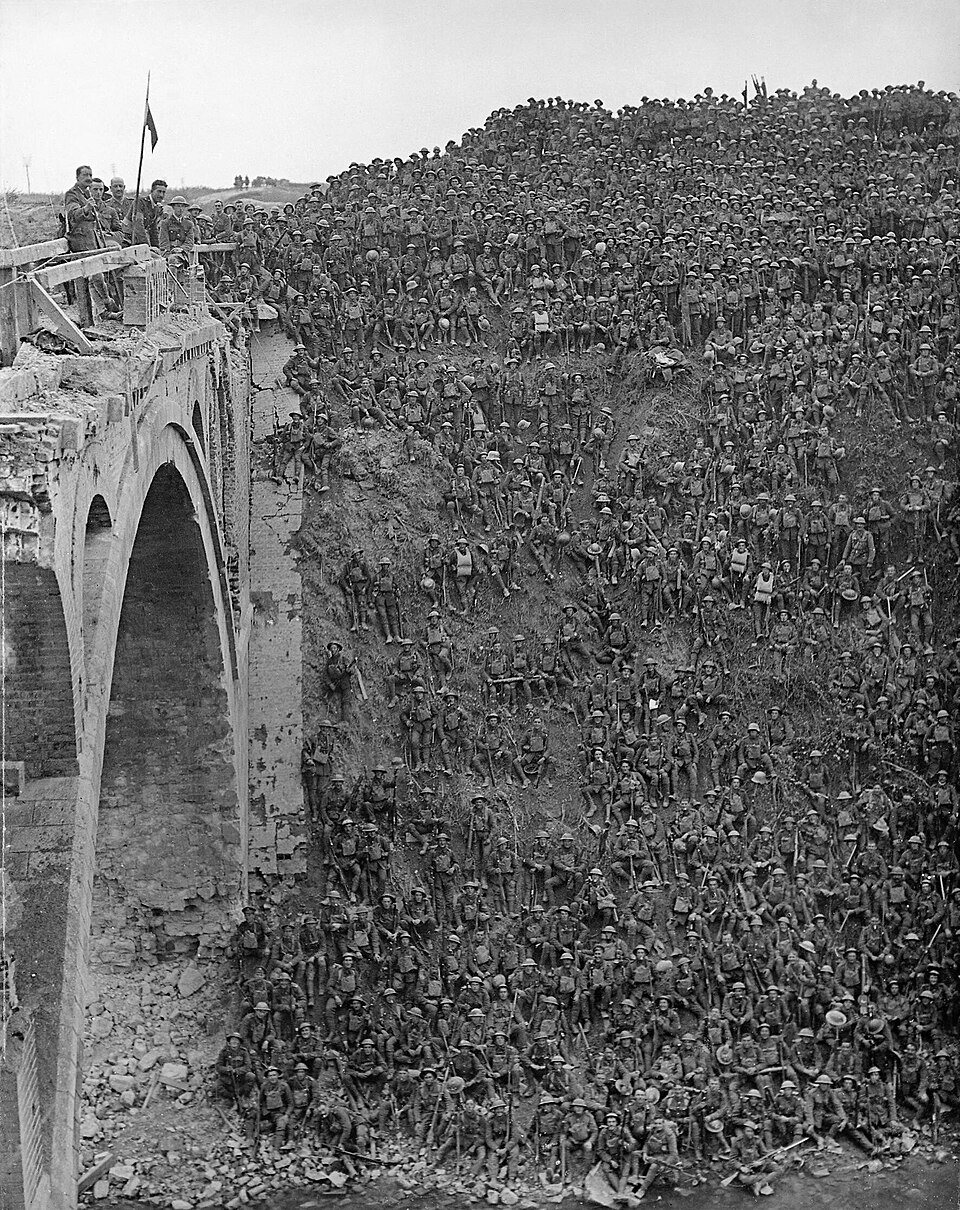
In response Ludendorff opened conversations with the Kaiser about finding a way to bring the war to a peaceful conclusion as he was now unconvinced it could be won.
However, the realisation that the Americans in particular would want the abdication of Kaiser Wilhelm II (and the British and French may want him arrested and put on trial) halted those conversations and Ludendorff ostensibly changed his mind and resolved to fight on. His time, however, was largely up.
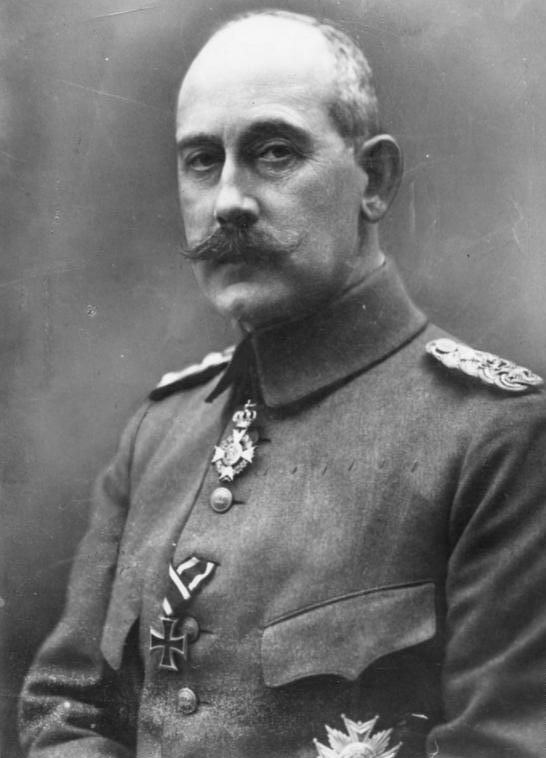
The newly chosen German Chancellor Prince Maximilian of Baden responded by telling the Kaiser that if Ludendorff would not stand down, then he himself would resign and collapse the German government. In a fit of fury the Kaiser berated Ludendorff in a fiery meeting before firing him but retaining the services of von Hindenberg.
Ludendorff's replacement General Groener immediately informed the Kaiser that if a peace could not be quickly secured he could not guarantee the future existence of the German army should allied attacks continue. He resolutely believed that the war had been lost.
This was in no small part also thanks to events taking place on other theatres of the war. In mid-September 1918 battles in Macedonia and Palestine were about to collapse two of the remaining fronts.
In Macedonia, the British and Greek armies attacked Bulgarian positions at Doiran. Although the Bulgarians held off these attacks in doing so they weakened themselves to the extent that a collapse was imminent. When, simultaneously, French, Greek, and Serbian armies attacked at Dobro Pole the Bulgarian resistance evaporated and mass desertions and retreat led to their army melting away.
So catastrophic was this turn of events that now left the Balkans and route into central Europe open and severed the supply lines to the Ottoman Empire that Kaiser Wilhelm would write that '72,000 Serbs have decided the outcome of this war'.
At Megiddo in northern Palestine, the British and French smashed the Ottoman and German forces there. The defenders were either destroyed or captured in such huge numbers as to begin a collapse of the Ottoman Empire's military that could not be arrested. By 30th October the Ottomans had sued for peace and signed the Armistice of Mudros.
Two of Germany's allies - Bulgaria and the Ottoman Empire - were collapsing and they were swiftly joined by Austria-Hungary. The Italian attacks at Vittorio Veneto overran the Austro-Hungarians and they too began a collapse that would cost them both the Italian Front and the existence of their Empire.
The Central Powers were falling apart.
Negotiation and Desperation
Whilst Germany's politicians and military leaders dithered about the best way forwards and debated the merits of Woodrow Wilson's 14 point peace plan, events were spiralling out of their control.
The German Navy had been ordered to sea on 24 October to force one last showdown with the Royal Navy. This sparked a mutiny amongst sailors who did not wish to give their lives in a war that was lost. These mutinies rapidly spread from Kiel, Northern Germany, and by 7 November many of the major port towns along the German coast were declaring revolution.
On 8 November, a German delegation was brought to a quiet railway siding in France. They had left their own lines several days beforehand and were taken on a circuitous trip through France until reaching their destination. None of them was sure who was left in charge of Germany in Berlin or if they still had the power to negotiate at all.
The Kaiser had abandoned Berlin and was waiting at an Imperial military headquarters in Spa within Belgium near the border with the Netherlands. Whilst there he swung repeatedly between belligerence and despair declaring he would abandon the Germany which had failed him or would continue to fight on as its leader. He overlooked the clear determination of many of the revolutionaries to have him abdicate his throne.
The negotiators in Compiegne were brought into the railway carriage of Marshal Ferdinand Foch. He did not appear pleased to see them. When informed that the Germans had come to discuss his proposals for ending the war he responded he had none to give them. If they wished to surrender and accept the allied terms that was a different matter. Foch was winning and he was not in a mood to be charitable.
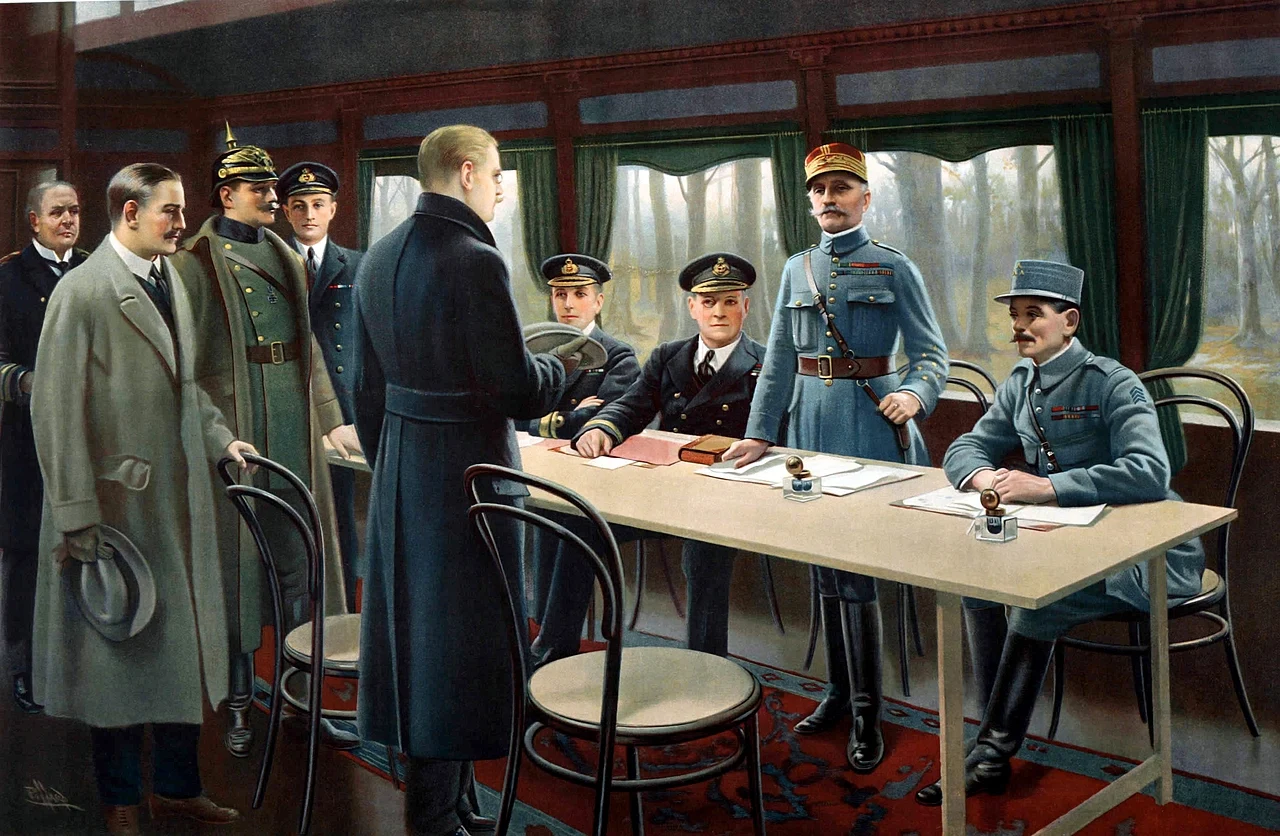
The thirty-four clauses the Germans were presented with drained the colour from their faces and caused several of the party to break into tears. They retreated to their own carriage and explained they would have to send a messenger back to their army command in order to get the approval. Foch gave them 72 hours to get authorisation and sign the agreement. The Germans would not see Foch again during the negotiations until the day they signed the agreement.
The first day of those 72 hours was wasted as the German messenger found himself trapped in French trenches by the Germans across No Man's Land who refused to stop shooting at them.
It did not really matter. Germany was falling apart and the wave of revolutions sweeping the country could not be stopped. In Berlin the Chancellor Prince Maximilian of Baden took the final decision as to the future of Germany out of the Kaiser's hands. With revolutionaries about to storm the capital he declared, pre-emptively, that Kaiser Wilhelm had abdicated.
Wilhelm was swiftly informed of this outcome and, whilst furious at what he saw as a betrayal, fled across the border into the Netherlands. He would never return to Germany in his lifetime.
Desperate to have the conflict now brought to an end the surviving German military government broadcast instructions to their delegation of negotiators. It was sent via radio without encryption and stated that ‘The German government accepts the conditions of the Armistice’. The method of transmission effectively invalidated the few concessions the Germans had managed to extract from the allies over the preceding days.
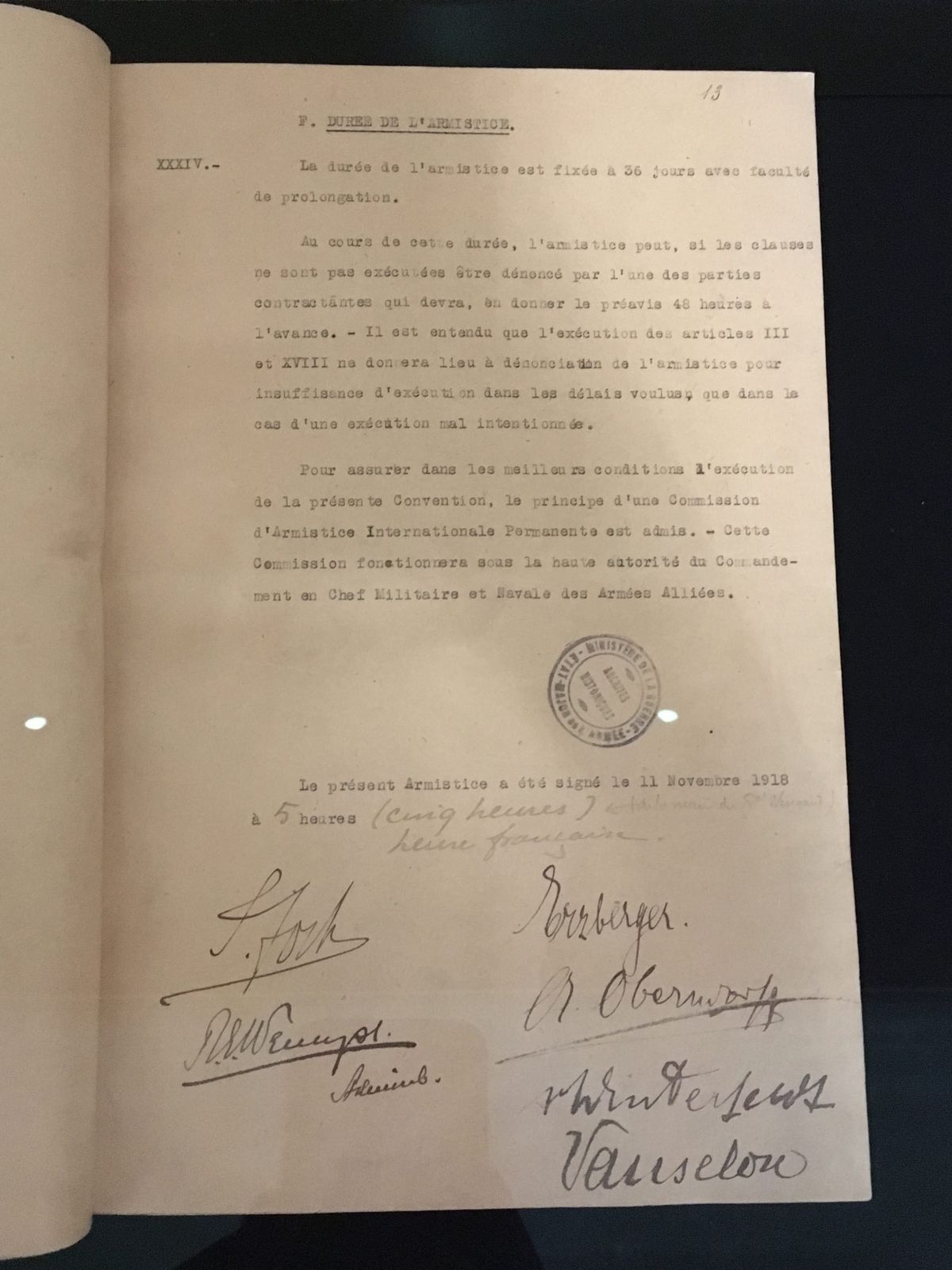
The delegation gathered again in Foch’s railway carriage in the early hours of the morning of the 11th. The armistice was signed at around 5:13am. For official purposes, Foch suggested the time of signing should be rounded down to 5am and that there would be a 6 hour window before it came into affect to allow word to spread to the men at the front. The time for the armistice to commence was therefore set for 11am French time. The Germans agreed and then read a prepared statement protesting the harsh terms forced upon them.
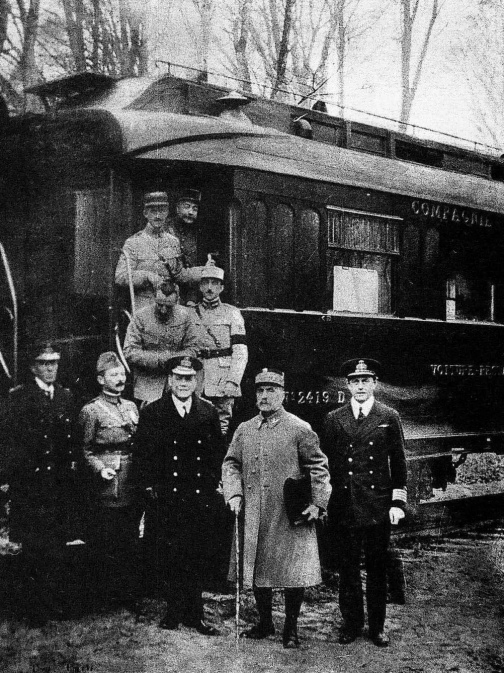
‘Tres bien’ was Foch’s disinterested response. There were no handshakes following the signing. The allied negotiators posed for a single photograph before the two groups took possession of the signed documents and maps and began to disperse towards Spa, Paris and London.
The End
The six hour delay before the armistice came into effect is one of the more poorly understood decisions of the war.
Many have taken to view it in symbolic terms and believe that it was delayed so as it could be declared at the 11th hour of the 11th day of the 11th month.
In reality it made significant military sense. Both sides needed to give enough time for word to pread to their armies to cease hostilities. If the person in the trench opposite was still shooting at you was it because they had not yet heard their new orders or was it because they were breaking the armistice agreement? The six hour time gap hoped to alleviate that problem.
However there were those in the allied armies who had little respect for the word of the German negotiators and there were concerns that the agreement was a ruse. It was thought to be important to capture strategically valuable positions now in case the fighting would need to continue.
Furthermore, many American generals felt they had not had their chance to fully take part in the war and they resolved to be aggressive in its final hours by sending their soldiers forwards into battle.
The last soldier to die in the war was an American, Henry Gunther ,who was charging a machine gun post at 10:59am. The German soldiers manning it tried to wave him off but he continued to advance and, with regret, they shot him dead.
Gunther was joined by many others. In total, around 10,944 men became casualties on the war’s final day, of whom 2,738 died in a war ‘already decided’.
Sound ranging footage that indicates the moment the guns fell silent on the Western Front
Within minutes silence broke out up and down the Western Front as it had done previously in Italy, Palestine, Mesopotamia, and Macedonia.
Through a tremendous joint effort the Entente allies had broken the will and fighting ability of the Central Powers. Whilst Germany would come to twist the reality of their defeat into something more palatable, on 11th November 1918 there was no doubt as to who had won and who had lost.
What all of this would come to mean would have to be decided. As our previous newsletter on the Paris Peace Conference has shown, this would be complicated, controversial, and ultimately unsatisfying.
Suggested Reading
Boff, Jonathan. Winning and Losing on the Western Front: The British Third Army and the Defeat of Germany in 1918,
Greenhalgh, Elizabeth. Foch in Command: The Forging of a First World War General,
———. The French Army and the First World War. Armies of the Great War.
———. Victory through Coalition : Britain and France during the First World War.
Hart, Peter. 1918 : A Very British Victory.
———. The Last Battle: Endgame on the Western Front, 1918
Kempshall, Chris. British, French, and American Relations on the Western Front 1914-1918.
MacMillan, Margaret. Paris 1919.
Stevenson, D. 1914-1918 : The History of the First World War.
———. With Our Backs to the Wall; Victory and Defeat in 1918.
Watson, Alexander. Enduring the Great War: Combat, Morale and Collapse in the German and British Armies, 1914-1918.
———. Ring of Steel: Germany and Austria-Hungary at War, 1914-1918.
Wilcox, Vanda. Italy in the era of the Great War
———. The Italian Empire and the Great War
Woodward, David R. The American Army and the First World War.